The Day After Tomorrow: Applying Long-Term Strategy to Your Personal Life
We live in a world that moves incredibly fast. In our daily jobs, we are constantly busy answering emails, attending meetings, and solving immediate problems. This feels productive, but it can actually be dangerous for our future. Peter Hinssen calls this the trap of the Today. He developed the concept of The Day After Tomorrow to explain how we can survive in times of radical change and create real long-term value.
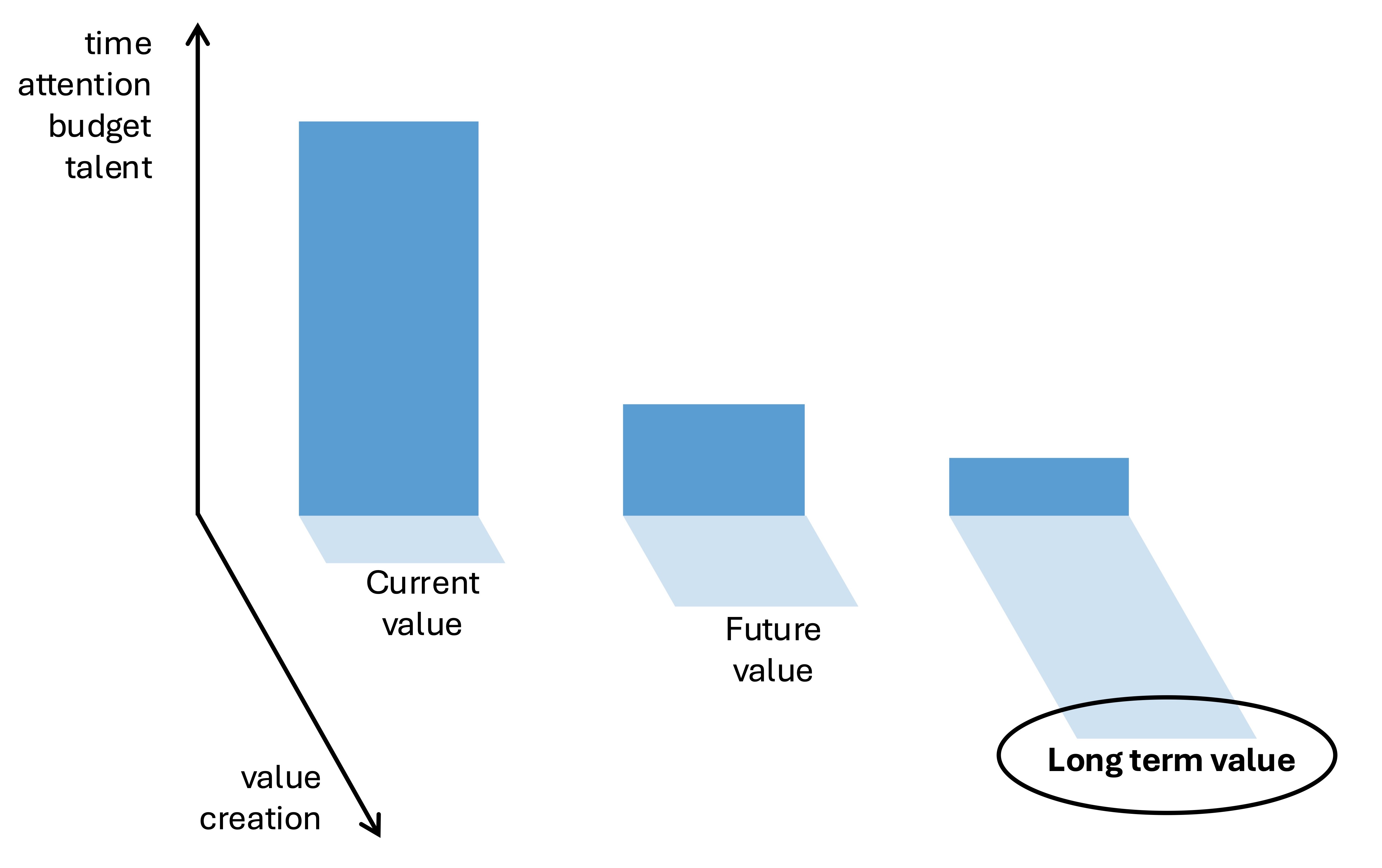
Peter Hinssen divides time and value creation into three specific categories. The first category is Today, which represents the work that pays the bills right now. The second is Tomorrow, which is about small incremental improvements to what we already do. The third category is The Day After Tomorrow, which is where radical innovation happens and where major long-term value is generated. However, there is a critical imbalance in how this time is actually spent. The data shows a reality where most organizations spend 97 percent of their resources and attention on the Today. They spend about 3 percent on Tomorrow. This leaves exactly 0 percent for the Day After Tomorrow.
This imbalance often happens because we are bogged down by what Hinssen calls the "Shit of Yesterday." In the corporate world, this refers to the heavy burden of the past, such as maintaining outdated IT systems, keeping clumsy software monoliths alive, and fixing legacy processes. Because organizations spend 97 percent of their energy keeping these old systems running and managing the present, they have no capacity left to build their future.
We see a similar pattern in politics. Politicians often focus strictly on short-term goals to win the next election cycle rather than developing long-term strategies for the country. Just like a government needs a vision that goes beyond the next four years, we need to apply this thinking to our own lives.
This brings us to the most critical application of this model: your personal career. You need to view your professional path as a long-term strategy. If you spend your entire work week solely executing your current tasks, you are stuck in the 97 percent bucket. You are creating current value, which is important, but you are not preparing for what comes next. To stay relevant, you must find ways to look beyond your daily to-do list.
It is important to look at trends that will shape the future, such as the increasing influence of Artificial Intelligence or shifts in the global economy. You need to ask yourself where your industry will be in five years and what skills will be required then. This means dedicating time to learning things that might not seem useful for your tasks today but will be essential for your relevance later. It is about understanding new developments before they become mainstream. If you do not invest in this long-term value now, you risk becoming obsolete when the market shifts.
The start of the new year 2026 is the perfect moment to adopt this mindset. Instead of just making short-term resolutions, use this transition to set a strategic vision for your Day After Tomorrow. Commit to shifting your focus slightly, so you are not spending 100% of your energy on the Today. By investing even a small amount of time in understanding the future, you ensure that you remain a valuable asset in the long run.
References